
Starting a Supermarket Business can be one of the most rewarding entrepreneurial ventures, especially as consumer demand for convenient shopping continues to grow. Whether you plan to open a neighborhood grocery store or a large retail supermarket, success depends on much more than stocking shelves with products. Proper planning, smart investments, customer-focused services, and efficient operations are the foundation of a profitable business.
Today’s customers expect quality products, competitive pricing, clean shopping environments, and seamless billing experiences. Meeting these expectations requires careful preparation from day one. If you’re planning to enter the retail grocery industry, understanding the essential requirements before investing can help you avoid costly mistakes and build a sustainable business.
In this guide, we’ll explore everything you need to know before launching a successful Supermarket Business, including location selection, inventory management, technology, staffing, and marketing strategies.
1. Develop a Solid Business Plan
Every successful Supermarket Business begins with a well-structured business plan. Without a roadmap, it becomes difficult to manage finances, predict expenses, or identify growth opportunities. A detailed business plan helps you understand your target customers, estimate startup costs, and prepare for unexpected challenges.
Your business plan should include market research, competitor analysis, projected revenue, operational expenses, and marketing strategies. It should also define your unique selling proposition (USP), whether it’s affordable pricing, premium products, organic groceries, or exceptional customer service. Having these details documented not only keeps your business focused but also makes it easier to secure funding from banks or investors.
Additionally, revisit your business plan regularly. As customer preferences and market trends change, updating your strategy ensures your supermarket remains competitive.
2. Choose the Right Location
Location is one of the biggest factors that determine the success of a Supermarket Business. Even the best supermarket may struggle if it is located where customers cannot easily access it. A strategic location increases foot traffic and improves brand visibility.
Look for areas with high residential populations, growing communities, office spaces, or educational institutions nearby. Ensure there is sufficient parking space and easy road access for customers. Also, evaluate nearby competitors to identify market gaps that your supermarket can fill.
Before finalizing the property, analyze local demographics, purchasing power, and shopping habits. A location that aligns with your target audience significantly improves your chances of long-term profitability.
3. Estimate Investment and Manage Finances
Financial planning is essential before opening any Supermarket Business. Startup costs include rent, interior setup, shelving, refrigeration units, billing systems, inventory, licenses, employee salaries, and marketing expenses. Underestimating these costs can create cash flow problems in the early stages.
Create a realistic budget that covers both startup and operational expenses for at least the first six months. Maintaining an emergency fund helps manage unexpected situations like equipment repairs or seasonal fluctuations in sales.
It is equally important to monitor daily expenses and revenue using accounting software. Proper financial management allows you to identify profitable product categories, reduce unnecessary expenses, and improve overall business performance.
4. Stock the Right Products
Inventory management plays a critical role in running a successful Supermarket Business. Customers expect to find everything they need under one roof, making product selection an important business decision.
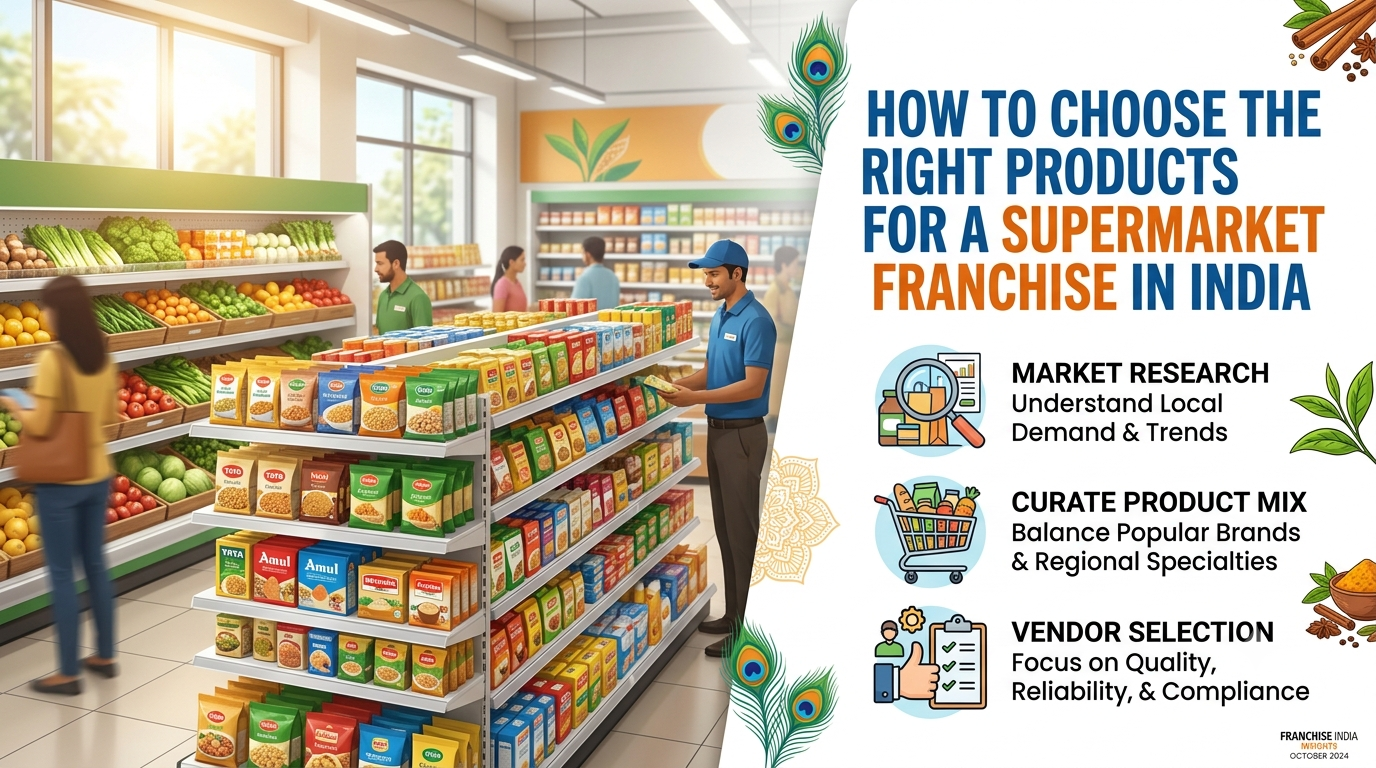
Include essential grocery items such as rice, flour, pulses, dairy products, snacks, beverages, household cleaning products, personal care items, frozen foods, and fresh vegetables. Study customer demand in your area and adjust your inventory accordingly. Introducing local products or specialty items can also help differentiate your supermarket.
Avoid overstocking slow-moving products while ensuring high-demand items never run out. A balanced inventory reduces waste, minimizes storage costs, and improves customer satisfaction.
5. Invest in Modern Technology
Technology has become an essential part of every successful Supermarket Business. Modern retail management systems improve efficiency, reduce human errors, and provide valuable business insights.
A reliable Point of Sale (POS) system simplifies billing, tracks inventory, manages customer purchases, and generates sales reports. Barcode scanners speed up checkout, while inventory management software automatically alerts you when stock levels are low.
Additionally, offering digital payment options, loyalty programs, and online ordering improves customer convenience. Businesses that embrace technology often operate more efficiently and provide a better shopping experience.
6. Hire and Train the Right Team
Employees represent your supermarket every day. Friendly, knowledgeable, and efficient staff can significantly improve customer satisfaction and encourage repeat business. Hiring the right people should be one of your priorities when building your Supermarket Business.
Recruit employees who have good communication skills, honesty, and a customer-first attitude. Train them in billing operations, product knowledge, hygiene standards, and conflict resolution. Regular training sessions help employees stay updated with company policies and customer service expectations.
A motivated team not only improves operational efficiency but also contributes to a welcoming shopping environment that customers appreciate.
7. Obtain Required Licenses and Follow Regulations
Legal compliance is an important aspect of running a Supermarket Business. Operating without proper licenses can lead to penalties or even business closure. Make sure you understand the local regulations applicable to your location before opening your supermarket.
Depending on your country or region, you may need food safety licenses, business registration, tax registration, trade licenses, fire safety approvals, and labor law compliance. Keep all documentation updated and ensure your store follows hygiene and safety standards.
Staying compliant builds trust with customers and protects your business from unnecessary legal complications.
8. Focus on Store Layout and Customer Experience
A clean, organized, and attractive supermarket encourages customers to spend more time shopping. Store layout directly influences purchasing behavior and overall customer satisfaction.
Arrange products in clearly labeled sections to make shopping convenient. Place frequently purchased items strategically while displaying promotional products in high-visibility areas. Wide aisles, proper lighting, clean floors, and attractive displays create a pleasant shopping environment.
Providing helpful staff assistance and reducing waiting time at checkout further enhances the customer experience. Happy customers are more likely to return and recommend your supermarket to others.
9. Create a Strong Marketing Strategy
Even the best Supermarket Business needs effective marketing to attract new customers. Local advertising, social media marketing, and community engagement can significantly increase your store’s visibility.
Create a Google Business Profile, maintain active social media pages, and regularly post promotions, discounts, and new arrivals. Seasonal offers, loyalty rewards, referral programs, and festive discounts encourage repeat purchases.
Offline marketing methods such as banners, local newspaper advertisements, and participation in community events also help build brand awareness. Consistent marketing keeps your supermarket top-of-mind for potential customers.
10. Monitor Performance and Keep Improving
Running a successful Supermarket Business is an ongoing process that requires continuous improvement. Monitor sales reports, customer feedback, inventory turnover, and employee performance regularly to identify areas for growth.
Pay attention to changing consumer preferences and introduce new products accordingly. Analyze which categories generate the highest profits and optimize your inventory to maximize returns. Listening to customer suggestions can also reveal valuable opportunities for service improvement.
Businesses that adapt quickly to market trends are better positioned for long-term success. Regular evaluation helps you make informed decisions and stay ahead of competitors.
Conclusion
Starting a successful Supermarket Business requires careful planning, smart financial management, efficient operations, and a strong commitment to customer satisfaction. From selecting the right location and maintaining the ideal inventory to adopting modern technology and implementing effective marketing strategies, every decision contributes to your business’s growth.
While the retail industry is highly competitive, entrepreneurs who focus on delivering value, maintaining quality, and continuously improving their services can build a profitable and sustainable supermarket. Success doesn’t happen overnight, but with the right planning and consistent execution, your supermarket can become a trusted shopping destination within your community.
If you’re serious about launching a Supermarket Business, begin with thorough market research, invest in reliable systems, and prioritize the shopping experience. These essential steps will lay the foundation for long-term growth, customer loyalty, and lasting profitability.